Handle more quotes and orders with less back-and-forth.
Give your estimators more time to quote. We help independent CNC shops get RFQs ready for estimating sooner and resolve differences between quotes and incoming customer orders.
Fictional RFQDetails organizedDrawing missingStaff approve the questionEstimator package
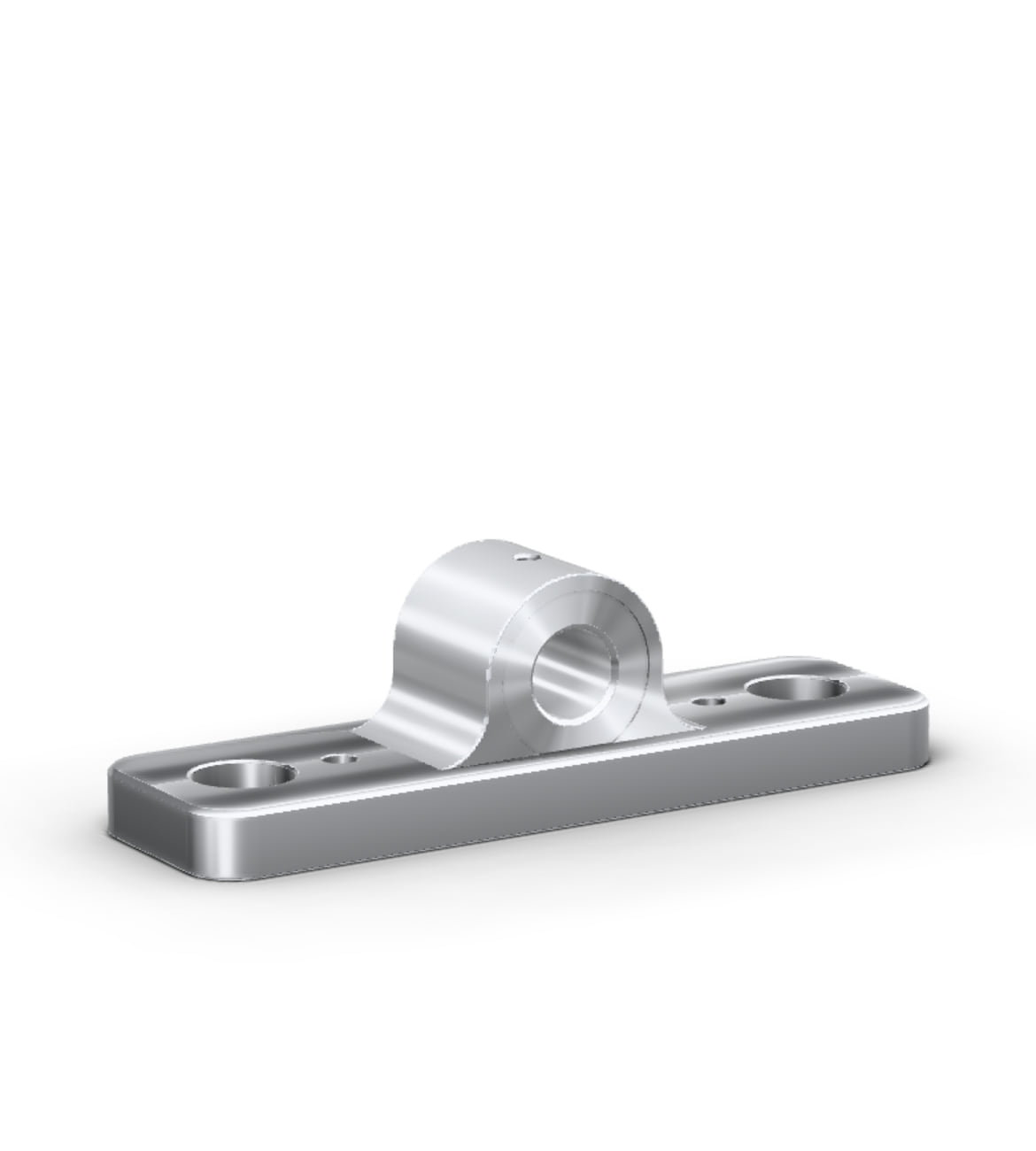
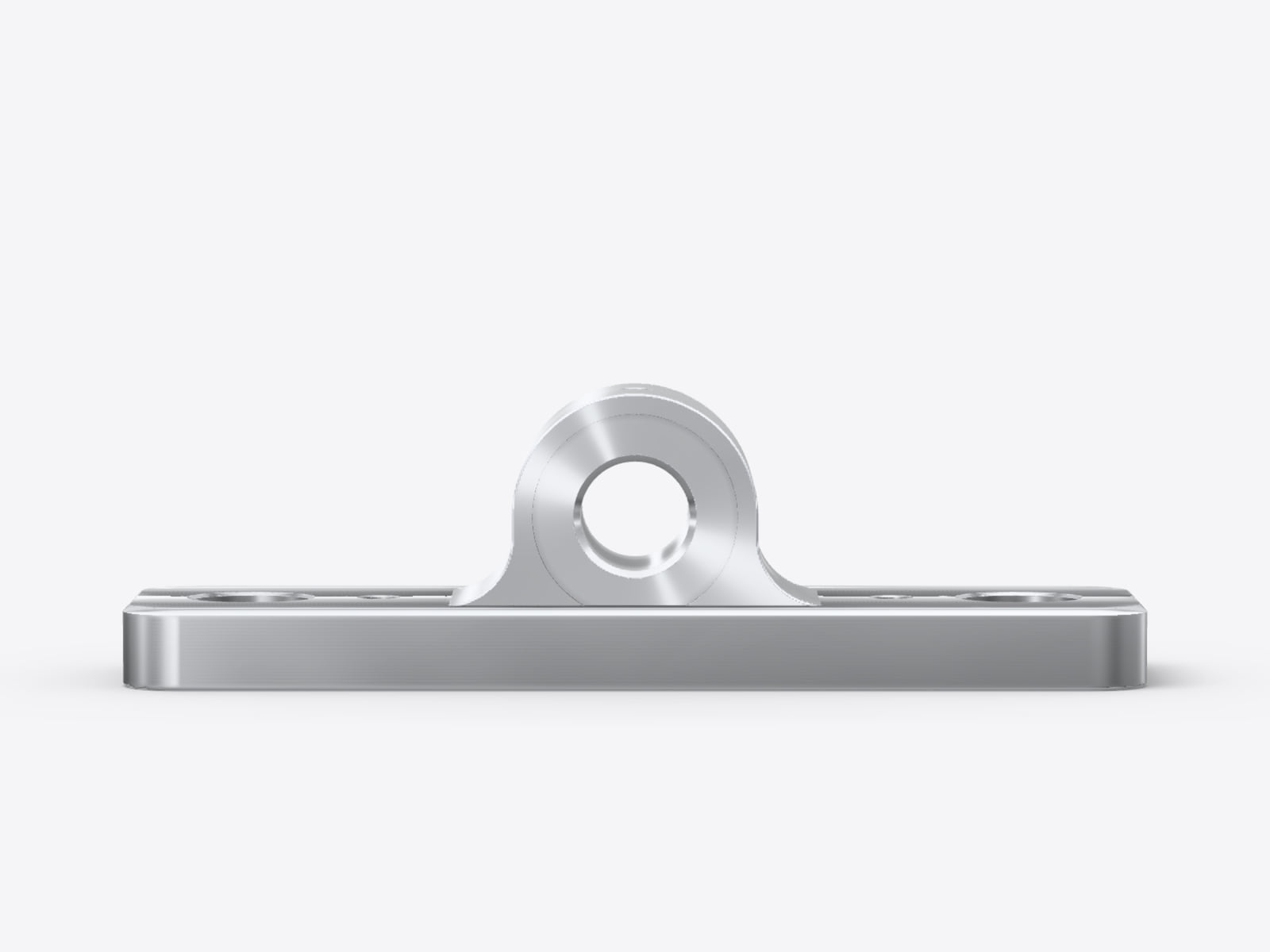
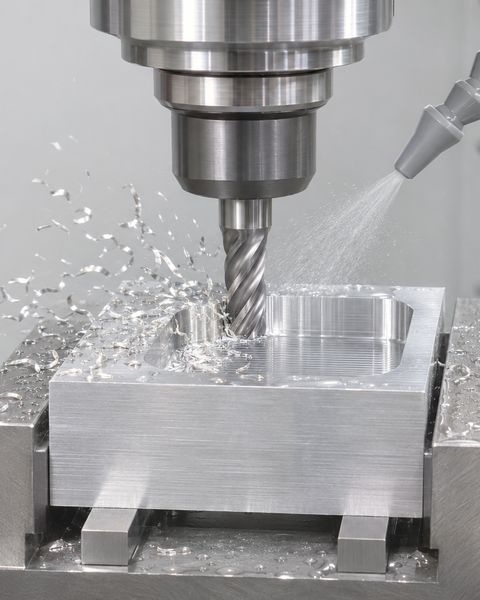
As the page scrolls, an end mill cuts the bracket’s two counterbored holes while the view circles it: an illustration of the kind of work CNC shops do. The view then turns to look straight through the bore and sets the bracket down to make room for the workflow.
Where quoting and orders slow down.
When a request is spread across emails and attachments, someone has to assemble it before it can be quoted. When the order arrives, someone checks it against the quote.
Details in several places
Quantity in one email, the spec in a PDF, a drawing mentioned but not attached.
Repeated clarification
The same questions go back to the customer, RFQ after RFQ.
Inputs to assemble
Estimators find and re-key information before they can price.
Orders checked by hand
Quantity, price, terms and revision references compared with the quote.
Not every shop has all of these. We look at yours to see which are worth fixing.
Illustrative workflow: preparing an RFQ
An illustrative request for quote prepared for the estimator, four stages
-
RFQ received
PartBracketEmails3Attachments2CitesDrawing 4471 rev C -
Organized
PartBracketQuantity200 or 250ConflictMaterial6061-T6Drawing 4471 rev CNot attached -
Staff review
PartBracketConfirmQuantityRequestDrawingStatusSent, awaiting reply -
Estimator package
PartBracketQuantity250Material6061-T6Reply loggedDrawing attached
Make more room for the work you want.
Less time on the chase. More time on suitable work.

More time for estimating.
Less time assembling requests. More time assessing and pricing suitable work.
Quoting can start sooner.
Bring scattered details and open questions together so preparation doesn’t hold up the next step.
Clearer order commitments.
Surface quote-to-PO differences for your staff to resolve before accepting the work.
We put it to work with your team.
We start with your existing tools, configure or connect what’s needed, build where there’s a gap, and train your staff on the workflow.
Software prepares the work. Your people decide.

Software does the legwork.
AI organizes details and drafts questions. Rules handle checks, routing and tracking.
Your team makes the calls.
Pricing, engineering, terms and delivery stay with your people. Engineering confirms drawings; your team commits dates.
Start with the improvement that matters most.
Choose the bottleneck worth fixing. Start there; expand when results justify it.
A focused first step
- One place firstRFQ preparation, order review, or both when the need supports it.
- Use what you haveYour ERP and quoting tools come first. Sometimes configuration is enough.
- Configure, connect or buildFill the remaining gap, through supported access to your systems.
The Quote & Change Retrofit.
Agree the priority. Fit the improvement. Check it on real work.
Inspect
Find the useful first step. Review real quotes and orders. Check existing tools and agree a baseline.
Fit
Put it to work. Configure, connect or build what’s needed. Set clear ownership and train your team.
Test
Check the improvement. Compare preparation effort, turnaround and information quality on your work.
Use the results to decide whether to expand.
Is this for your shop?
A good fit
- You make custom or contract parts for outside customers.
- RFQs and orders arrive across emails, attachments and portals.
- Your team spends time chasing details or checking orders.
Probably not a fit
- Your existing tools already handle this well.
- You want an off-the-shelf subscription or an ERP replacement.
- You want software to make pricing or engineering decisions.
What could come later?
Customer updates, portals, automatic outbound messages and changes after order acceptance are scoped separately, when useful.

Find the first improvement worth making.
Tell us where RFQ preparation or order review holds up your team. We’ll discuss what happens today, what your existing tools cover, and whether there is a useful first step.
Booking will be available here soon.
No documents needed to start.